About Release
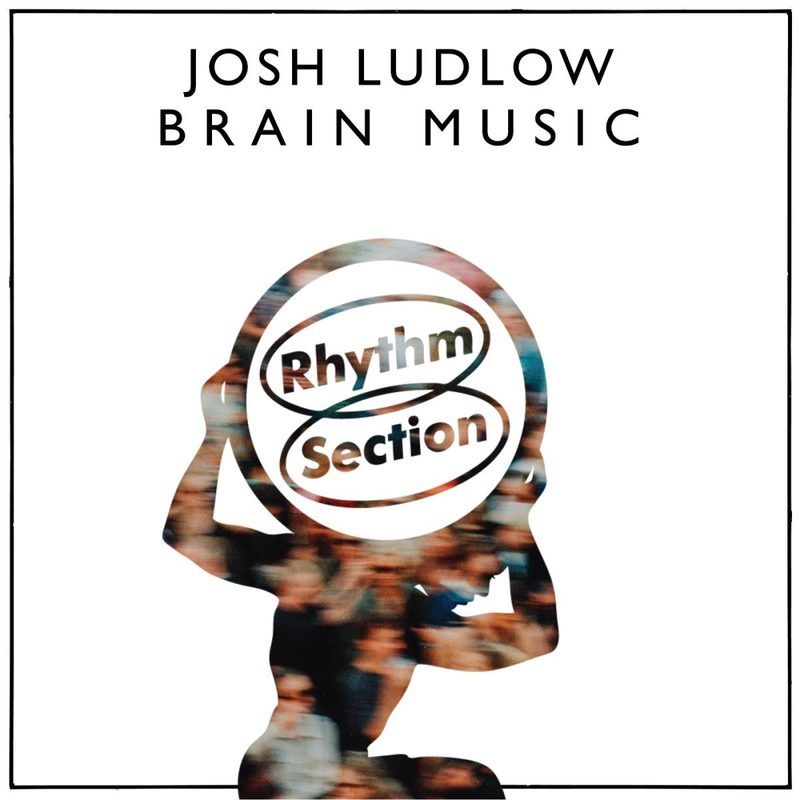
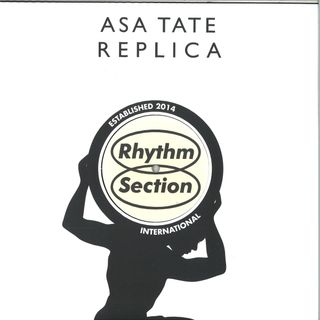
Josh Ludlow – Brain Music, released on Rhythm Section International as catalogue RS080LP, is a four-track 12-inch that takes a sharp turn away from conventional club-house territory. The first solo outing from Ludlow, one half of London duo Make A Dance, is a darker and more experimental record built around distorted atmospheres, heavy bass, acid tension and deliberately unpredictable rhythmic structures.
The release comes from a long-standing connection between Ludlow and Rhythm Section International boss Bradley Zero. The pair first crossed paths in the late 2000s as drummers in rock bands, before their shared interest in experimental electronic music eventually brought them together again. Brain Music is the result: a record that retains a clear dancefloor instinct while refusing to fit comfortably inside house, techno or tech house conventions.
A1 — Brain Music
The title track opens the EP as a distinctly Detroit techno-inspired piece, but its character is considerably stranger than the reference might suggest. “Brain Music” functions almost like a wormhole, establishing the record's darker psychological atmosphere before the EP begins to move further away from familiar club structures.
The groove remains physical, but the emphasis is on atmosphere and sound design as much as rhythm. It feels less like a straightforward peak-time techno tool and more like an entry point into the unusual sonic world that defines the rest of the record.
That balance between dancefloor impact and abstraction is central to the entire EP. The track has enough rhythmic definition to work in a club, while its sound palette immediately signals that this will not be a conventional house release.
A2 — Time Upside Down
“Time Upside Down” takes the record considerably deeper. Its opening section is described as a journey through a dark tunnel, with acoustic textures and atmospheric sound design creating a physical sense of space before the track's heavier elements begin to emerge.
The bass becomes increasingly intrusive as the arrangement develops, eventually colliding with high-pitched resonant acid lines. The combination is difficult to categorise precisely: there are recognisable traces of acid, electro, disco and post-punk, but none of those references fully defines the track.
That ambiguity is part of its appeal. Rather than following a genre template, Ludlow uses familiar components in unfamiliar proportions, creating something more unsettling and exploratory while maintaining a strong rhythmic foundation.
B1 — The Kettle
“The Kettle” initially appears to offer the most approachable groove on the record. Its upbeat bongo-driven rhythm suggests a more familiar house framework, but the apparent simplicity does not last.
A hovering sense of tension gradually develops above the groove before the track makes room for a huge bass-synth melody. The contrast between the relatively playful percussion and the weight of the low end gives the track its distinctive physical character.
It is a particularly effective example of Ludlow's ability to manipulate expectation. The track appears to settle into a recognisable house pattern, only to introduce a much larger sonic presence without abandoning the underlying groove.
B2 — Mean Mother
Closing the record, “Mean Mother” is the most overtly playful track of the four. Its roots in Chicago house are more apparent, while its visceral quality recalls the tougher side of the contemporary underground.
The track gradually pushes its synth work into increasingly aggressive territory, culminating in an SH-101-driven build-up before releasing into a disco-influenced drop.
That structure gives the EP an appropriately physical ending. After the darker and more abstract territory of the previous tracks, “Mean Mother” reconnects the record with the communal energy of the dancefloor without losing its eccentric character.
Beyond House and Techno
One of the defining qualities of Brain Music is its resistance to easy classification. Rhythm Section International's presentation deliberately avoids reducing the record to a conventional genre label: elements of disco, electro, post-punk, Balearic music and the chugging sound associated with Andrew Weatherall all appear within the broader sonic picture.
The important point is not the number of influences, but how Ludlow combines them. The tracks are united by an emphasis on groove, bass weight and sound design, yet their arrangements repeatedly move into unexpected territory.
This makes RS080LP feel less like a conventional genre exercise and more like a producer using club music as a framework for experimentation. The record remains danceable, but its primary objective is not predictability.
Josh Ludlow’s Solo Statement
As one half of Make A Dance, Josh Ludlow is already associated with a more uplifting house-oriented sound. Brain Music deliberately moves in another direction, replacing that brightness with something darker, more aggressive and considerably more experimental.
The contrast makes the release particularly interesting. Rather than simply reproducing the aesthetic of his established project, Ludlow uses his solo debut to explore a different side of his production vocabulary.
The result is a record with a strong sense of personality. The tracks are carefully engineered, but they are not sterile: small rhythmic fills, unusual sonic details and constantly shifting textures keep the productions feeling active and unpredictable.
DJ & Collector Perspective
For DJs, Brain Music is best understood as a four-track journey rather than a collection of interchangeable tools. “Brain Music” establishes the atmosphere, “Time Upside Down” pushes deeper into acid and experimental territory, “The Kettle” introduces a heavier house groove, and “Mean Mother” closes with the most playful and explosive arrangement.
The record's versatility comes from its ability to move between different shades of underground club music while maintaining a common sense of tension and physicality.
For collectors, RS080LP is particularly notable as Josh Ludlow's solo outing on Rhythm Section International. It captures a producer stepping outside the established sound of Make A Dance and exploring a significantly darker vocabulary without abandoning the dancefloor.
Brain Music is ultimately a record about controlled disorientation: familiar club elements are stretched, distorted and rearranged until they become something less easily identifiable. It is experimental without abandoning groove, aggressive without becoming purely functional, and playful without losing its darker edge.