About Release
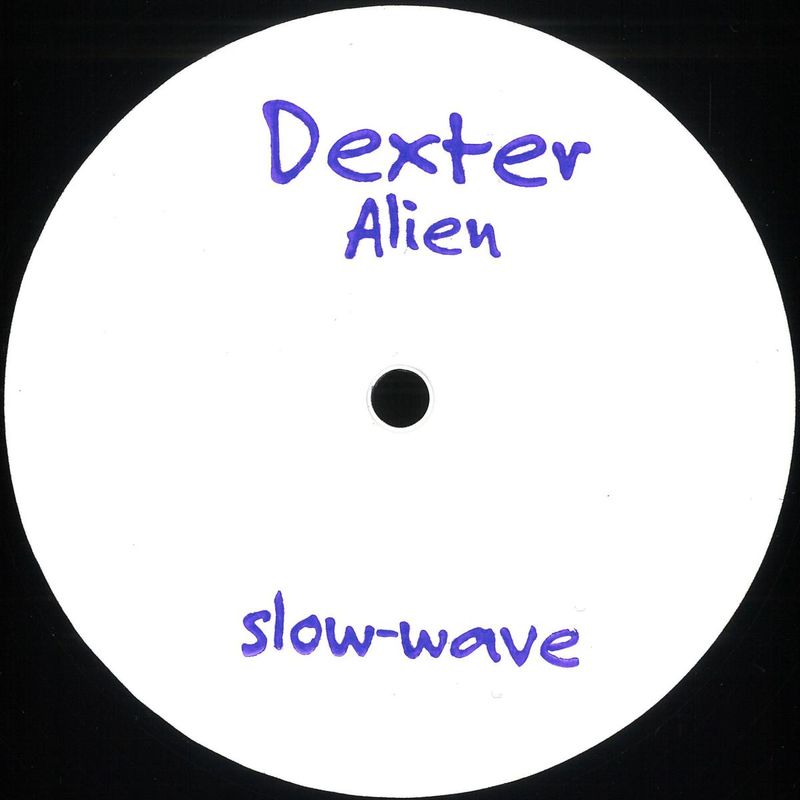
Dexter – Alien, released on Slow-Wave as SW4, is a strictly limited 12-inch built around two rare tracks from one of the UK underground’s long-standing house and tech-house producers. Issued in 2026 as the fourth release in the Slow-Wave series, the record pairs “Alien” on the A-side with “Desolvent” on the flip. Both tracks were made available on vinyl for the first time through this release, giving SW4 a strong archival character while keeping the music firmly aimed at contemporary DJs and collectors. Slow-Wave describes the series as an exclusive vinyl project focused on rare house and tech-house material, with the releases deliberately kept scarce and offered without represses.
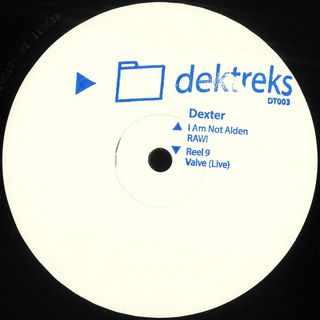
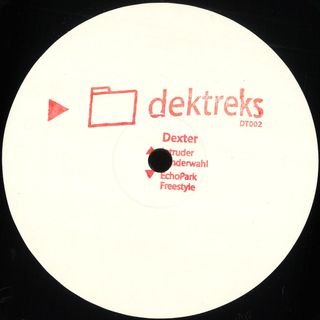
Dexter is the UK producer Mat Royall, an artist whose catalogue reaches back to the early 2000s and includes influential releases for labels such as Wiggle, Absurd Recordings and KGBeats. Resident Advisor’s review of his 2006 Wiggle release “Wino Man / Rhodes To Nowhere” identified Dexter as Mat Royall and described his production as strongly rooted in the Wiggle tradition of physical, groove-led tech house. His earlier work also appeared through Klakson and his own dektreks imprint, while later reissues have brought several sought-after productions back to vinyl. This history places Alien within a broader body of work that has consistently moved between house, tech house, electro and acid-oriented territory.
The A-side, “Alien”, is the centrepiece of SW4. Slow-Wave categorises the record across house, tech house and acid, while Clone specifically places the release in the House/Acid field. That classification is important because Dexter’s music has never depended on a rigid division between house and more machine-driven forms of electronic music. His strongest productions tend to use the physical qualities of the rhythm section as their primary hook, allowing bass, percussion and synthesizer patterns to carry the track rather than relying on conventional song structures.
“Alien” works in that tradition. It is a track designed around repetition and gradual pressure, with the rhythmic framework providing the space for its electronic elements to develop. The track’s appeal comes from economy: rather than filling every frequency range, Dexter allows individual sounds to remain clearly defined and gives the groove enough room to breathe. The acid classification associated with the release points toward the record’s more squelching, machine-oriented side, while the house foundation keeps the track functional for extended DJ sets. It is the kind of production that can sit comfortably inside a deeper house sequence before pushing the set toward more psychedelic or acid-driven territory.
The B-side, “Desolvent”, provides the second half of the record without turning SW4 into a conventional two-track EP with unnecessary variation. Instead, the pairing works as a concise statement of Dexter’s production aesthetic. Where “Alien” establishes the record’s identity immediately, “Desolvent” reinforces the sense of a rare archival track selected specifically for vinyl. The two tracks share the same underground, hardware-oriented sensibility and are presented as complementary sides rather than competing highlights.
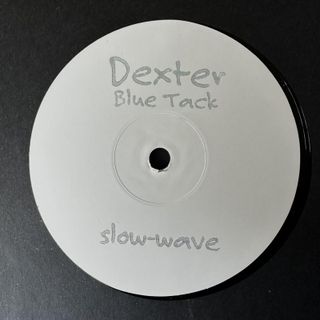
The historical context of the release is particularly significant. Slow-Wave’s first release, Dexter’s “Android”, introduced the label with two tracks originally issued digitally in 2008 and brought them to vinyl for the first time. The series subsequently continued its focus on rare material, making Alien part of a deliberate programme of rediscovery rather than a standard contemporary release campaign. This approach gives SW4 a particular appeal for DJs who follow underground house records through labels, white-label culture and specialist reissues rather than mainstream electronic releases.
There is also a clear connection between Alien and Dexter’s earlier catalogue. His 2006 Wiggle material was described by Resident Advisor as tech house with a strong emphasis on the house element, while his releases on Klakson explored electro and his later Repeat reissues have revisited classic Dexter productions for a new generation of vinyl DJs. “Alien” therefore sits naturally within a career defined by rhythmic experimentation without losing sight of the dancefloor.
For DJs, SW4 is particularly attractive because its two-track structure leaves plenty of room for practical programming. “Alien” can function as a driving house or acid tool when a set needs additional tension, while “Desolvent” offers the complementary B-side for selectors who want to maintain the same underground atmosphere without resorting to obvious peak-time formulas. The record’s limited nature also makes it a useful digging find: it is not simply another new Dexter title, but part of a carefully curated series built around tracks that have been difficult or impossible to obtain on vinyl previously.
The collector appeal is equally strong. SW4 is a 12-inch release on Slow-Wave, issued in 2026 and explicitly presented as strictly limited with no repress. Specialist retailers list the format as a 12-inch vinyl release with the catalogue number SW4, while the release date is listed as February 6, 2026 by several European record stores. Clone subsequently catalogued it among the label’s house and acid releases and emphasised its status as a first-time vinyl appearance for these rare Dexter tracks.
Dexter – Alien is therefore more than a simple two-track single. It is a meeting point between early-2000s UK tech-house history and the contemporary vinyl culture surrounding carefully selected underground reissues. With “Alien” and “Desolvent”, SW4 focuses on the qualities that have made Dexter’s work durable: strong rhythmic foundations, machine-driven character, restrained arrangements and a clear understanding of how a track functions when played from a pair of turntables. For collectors of UK house and tech house, and for DJs looking for limited vinyl with genuine catalogue history behind it, Dexter – Alien is a focused and highly desirable addition to the Slow-Wave series.