About Release
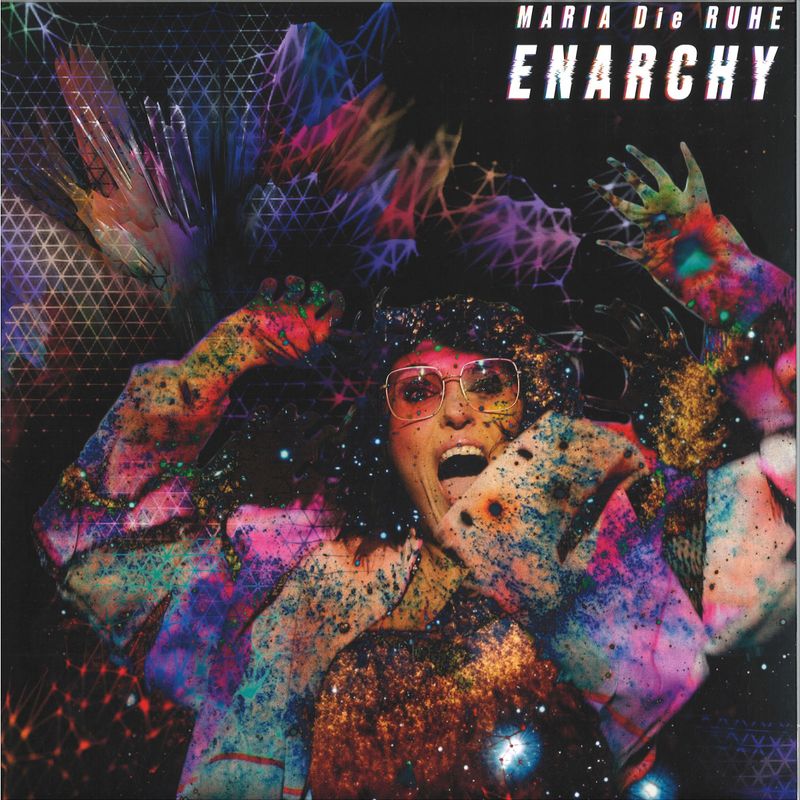
ENARCHY is the debut album by Leipzig-based producer and singer Maria die Ruhe. It is the result of a deep and thorough look theartist took into both her own inner workings and the world around her. In 14 tracks, she explores different types of energy,oscillating between head and heart. Final destination of this sometimes painful process of self- exploration is the embodiment ofher own power and creativity; the realization, that she manifests her role as catalyst, healer, and fighter for freedom and equalityby reporting on her experiences. These songs are about nothing less than that. And you can also dance to them.In a musical sense, Maria surpasses herself compared to previous releases. She is bolder, more explorative and dissolves genreboundaries. Acoustic instruments like the cello and the piano unite playfully with electronic beats. Her expressive voice speaks andsings from the lowest lows to the loftiest heights. Her self-disclosing lyrics communicate the deepest messages of the soul. One cantell right away: something is at stake here, this is about a real human living through something real, and now reporting from thefront lines of the human experience.With lines like „Things are changing all the fucking time“ (ENARCHY) she posts a reminder for the current zeitgeist and the resultingglobal uncertainty. „Some things need to be destroyed before they can heal“ is a demand for openness towards change, even if it ischallenging, requires energy, and leaves behind some scars.In ART IS THE ONLY REAL TRANSLATION OF LIVING FOR ME, Maria uses sentences like „I’ve been trying to please you, I got headachesand I still don’t fit“ to express her desperation with existing structures of injustice and the lack of livability of the artist lifestyle.„Ah, you’re an artist - and what do you do professionally?“ Everyone loves music and art! When, o when, will the understandingfollow that there need to be people who make this art as a central part of their lives?Frustration takes turns with hope and a growing acceptance of the self. In EQUALISTA, Maria discusses antiquated conditions like theinequality between the sexes in a kind of manifesto, with a simple proposal for solution: „Let’s both be selfish and raise ourenergies, to create a whole world with all the things we need.“In WE BELONG TO NEVER, Maria sings about the everyday horror of toxic relationships. Lines like „Disengagement and rage, I’ve become such a slave.“ express the despair of the emptiness that results from a lack of affection. She also describes treacherousnarcissistic manipulation: „You cut me small just to feel tall.“In SKIN, she confesses: „I’m not as enough as everyone else.“ and describes the long and painful way from rejecting her own bodyto loving herself unconditionally. „I hate what I feel, while I pretend to be free“ means she doesn’t want to be reduced down toher body, doesn’t want to be seen as an instagrammable, thoroughly designed product; she wants to be acknowledged as anindividual.In LOST, she poses a question that many are currently forced to ask themselves: „What do we do with all this solitude?“ Maybemaking use of the reclusion by exploring the shadow self. „Can you cope with the truth?“The conclusion: energy is being freed up through the means of self-experience and living through the personal darkness -ENARCHY. The realization: every human being is self-determined and should simply do what they feel. It is everyone’s right tochoose their own life’s path. Here, intuition serves as a signpost. This is both feminine and strong.ENARCHY celebrates an embodied anarchy by working through the personal shadow and the genuine, healthy integration of thestruggle survived - not as a destructive rebellion, but as a testament of shameless, joyful self-empowerment.„In the end, I want to be alive, because in reality, I’m free.“HouseElectroTechNeotrancePopIndie